
Critical Ecology Lab Founder Delivers Historic Lectures in Nuuk, Greenland, Bridging Arctic and Caribbean Colonial Histories
Dr. Suzanne Pierre becomes among the first guest lecturers for Greenland's inaugural natural sciences degree program
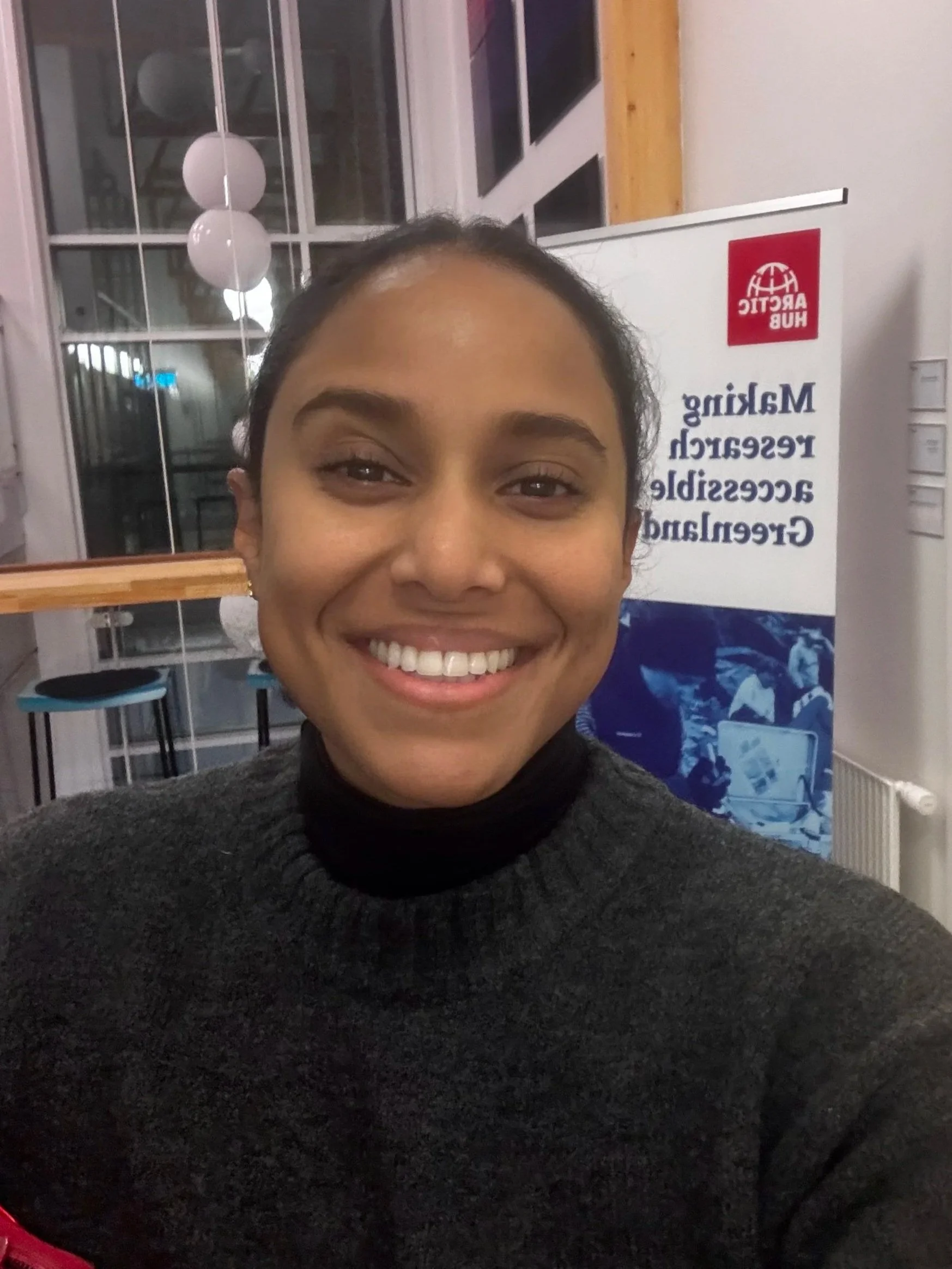
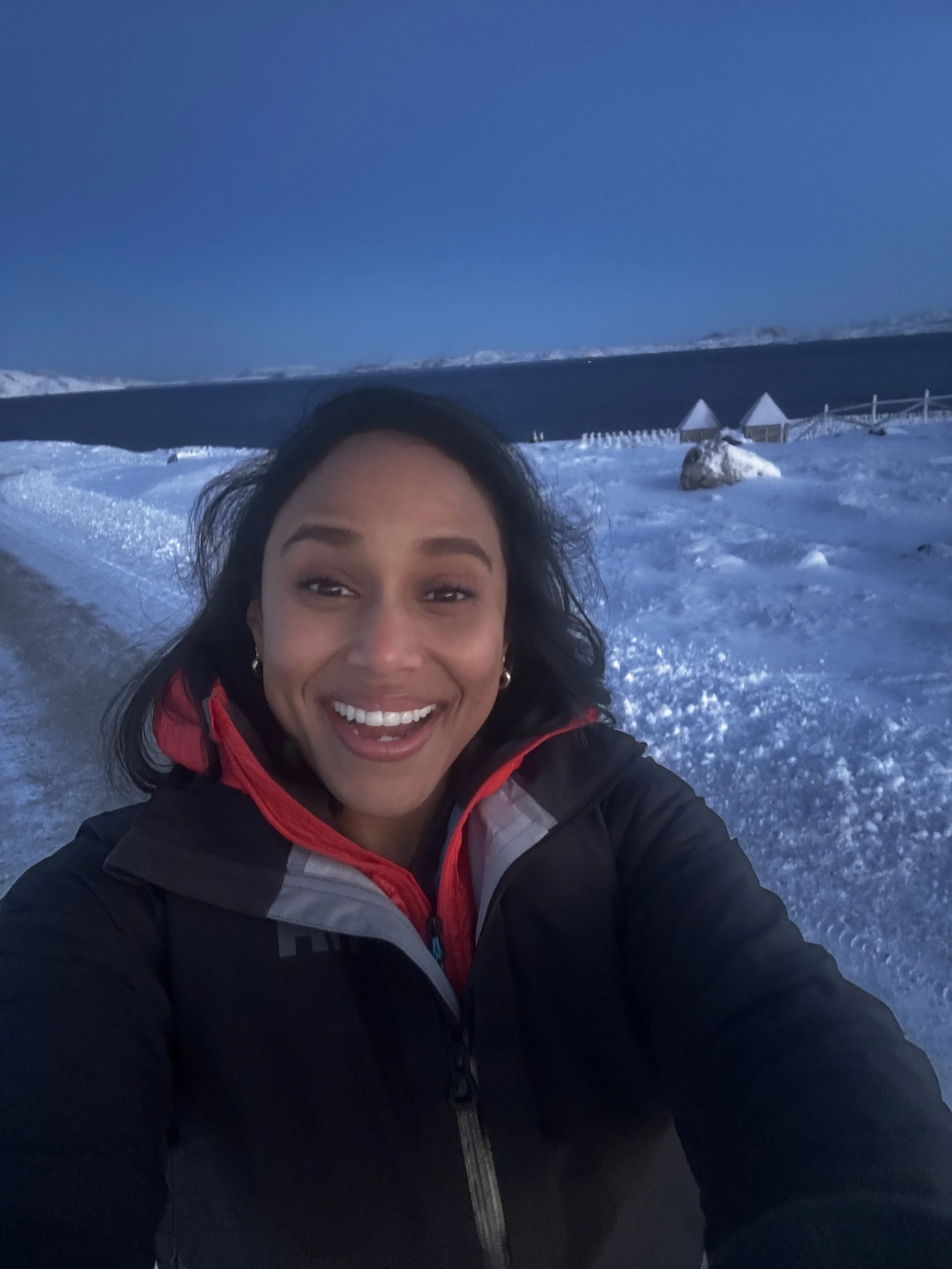
NUUK, GREENLAND — In January 2026, Dr. Suzanne Pierre, founder and CEO of the Critical Ecology Lab (CEL), delivered a series of guest lectures at the University of Greenland (Ilisimatusarfik) on critical ecological science—marking a significant milestone for both the Oakland-based research institute and the Arctic university.
Dr. Pierre was invited by Professor Aviaja Lyberth Hauptmann, to lecture undergraduates in the university's SILA Department, home to Greenland's first-ever bachelor's degree program in the natural sciences. Launched in February 2025, the SILA Bachelor in Biology integrates Indigenous Greenlandic knowledge systems with Western scientific methods, grounding its curriculum in Greenlandic nature, culture, and community. Dr. Pierre's lectures on decolonial science frameworks aligned directly with SILA's mission to train scientists who understand the deep connections between ecology, culture, and history.
The timing proved significant. Dr. Pierre arrived as diplomatic tensions between the United States, Denmark, and Greenland intensified over U.S. interest in acquiring the territory—echoing Greenland's long colonial relationship with Denmark, which has included cultural erasure and the extraction of valuable minerals such as cryolite.
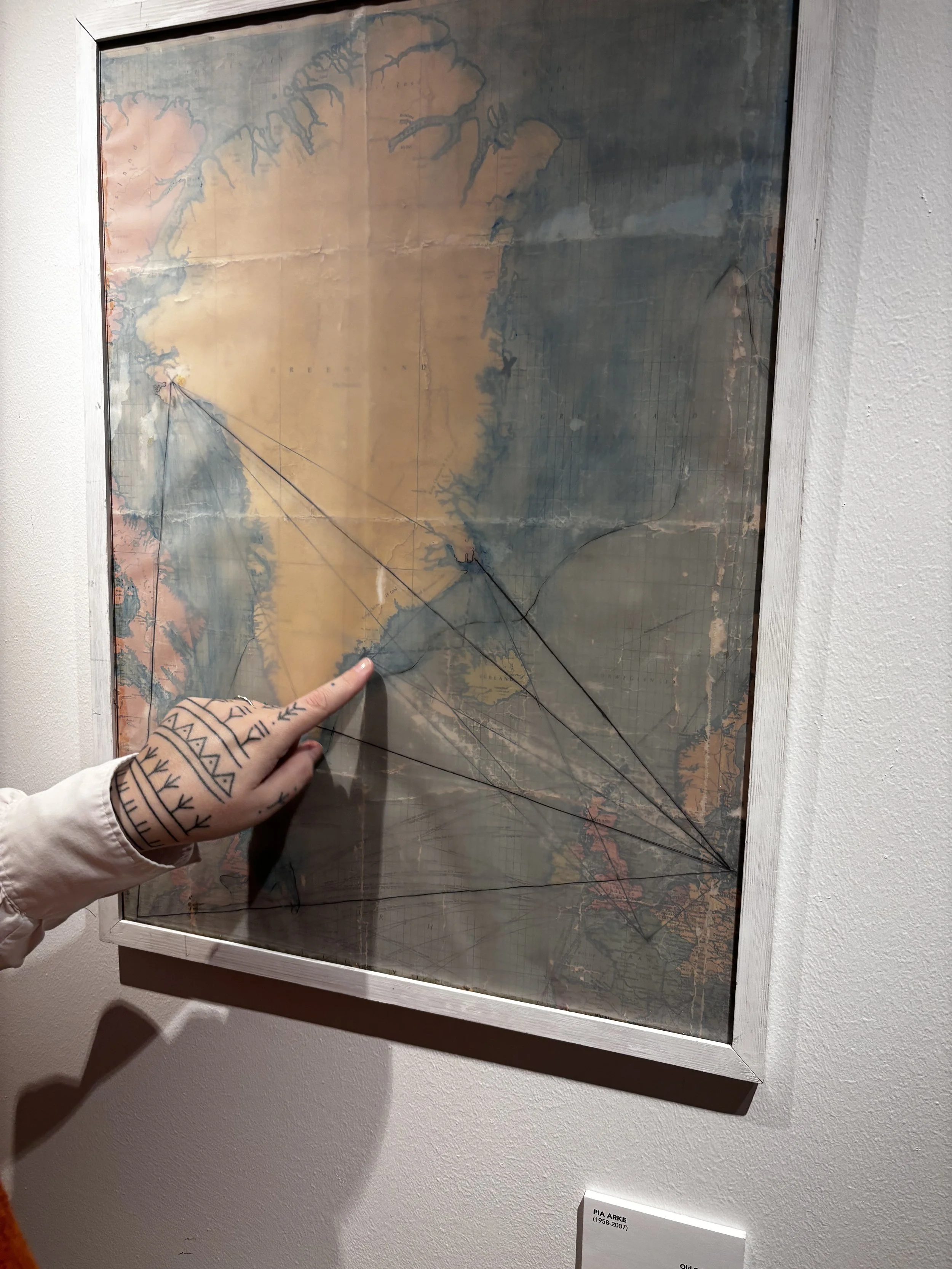
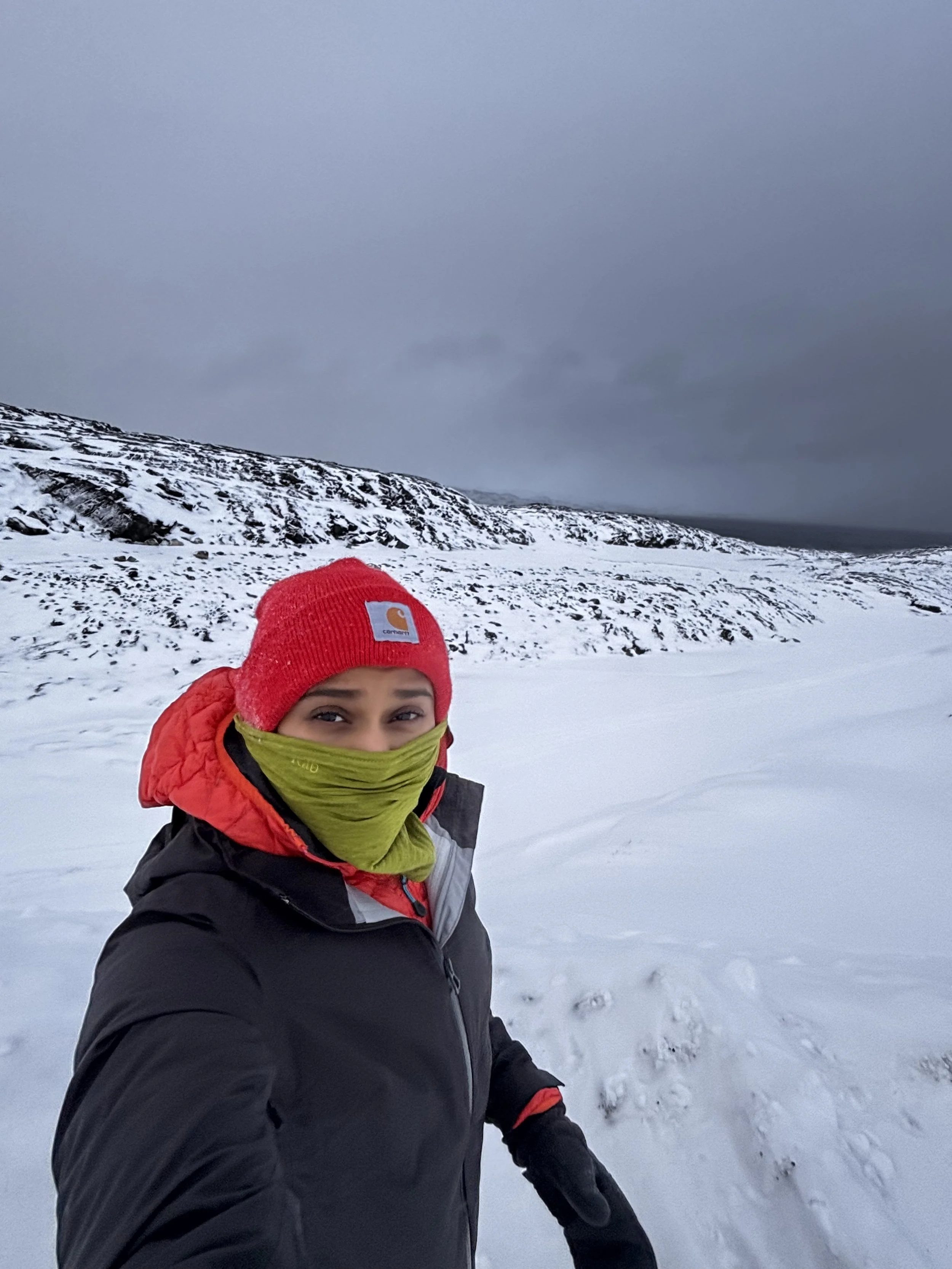
Dr. Pierre's lectures drew unexpected connections. The Critical Ecology Lab's flagship research initiative, "Ecological Scars of Plantation Slavery," examines the environmental legacy of Danish sugarcane plantations on St. Croix in the U.S. Virgin Islands—a colony Denmark operated for nearly 200 years before selling it to the United States in 1917. By presenting this research to Greenlanders still navigating their relationship with Denmark, Dr. Pierre illuminated shared colonial histories spanning 4,000 miles between the Caribbean and the Arctic.
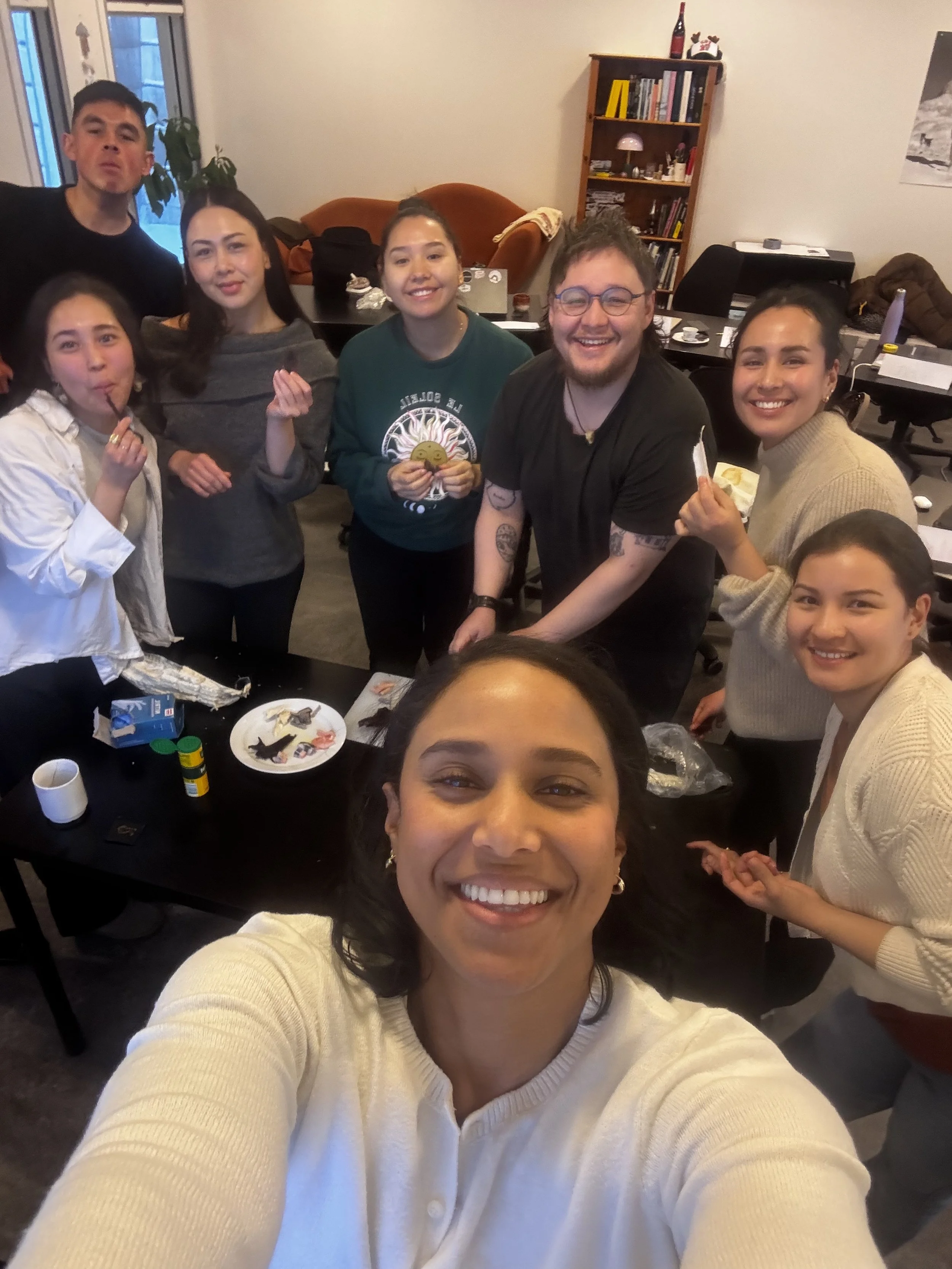
"The conversations that emerged were extraordinary," said Dr. Pierre. "Many Greenlanders had never considered the colonial connections between their history and that of the Caribbean."
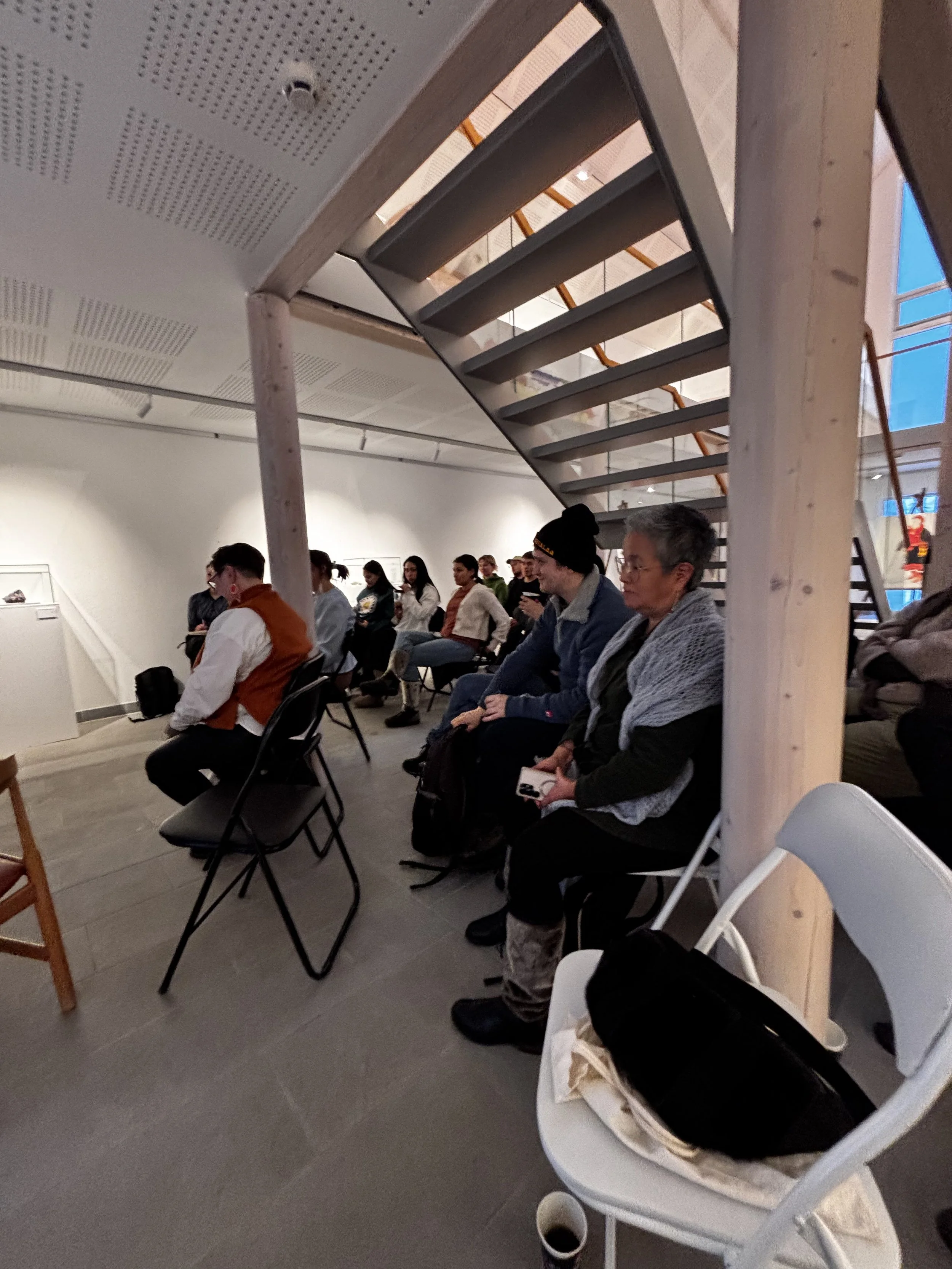
Dr. Pierre concluded her visit with a public lecture at the Greenland National Museum in Nuuk, speaking alongside museum curators presenting Breathing Membranes—an exhibition exploring the cultural preservation of traditional Greenlandic practices using animal gut skin to create functional objects and art. The pairing demonstrated how Indigenous knowledge systems and critical scientific research can amplify one another in resisting ongoing colonization.
The Critical Ecology Lab, founded by Dr. Pierre, is the world's first Black woman-led independent research institute. CEL investigates how colonialism, slavery, and racial capitalism have physically shaped ecosystems and continue to drive climate change.