The Critical Ecology Field Station
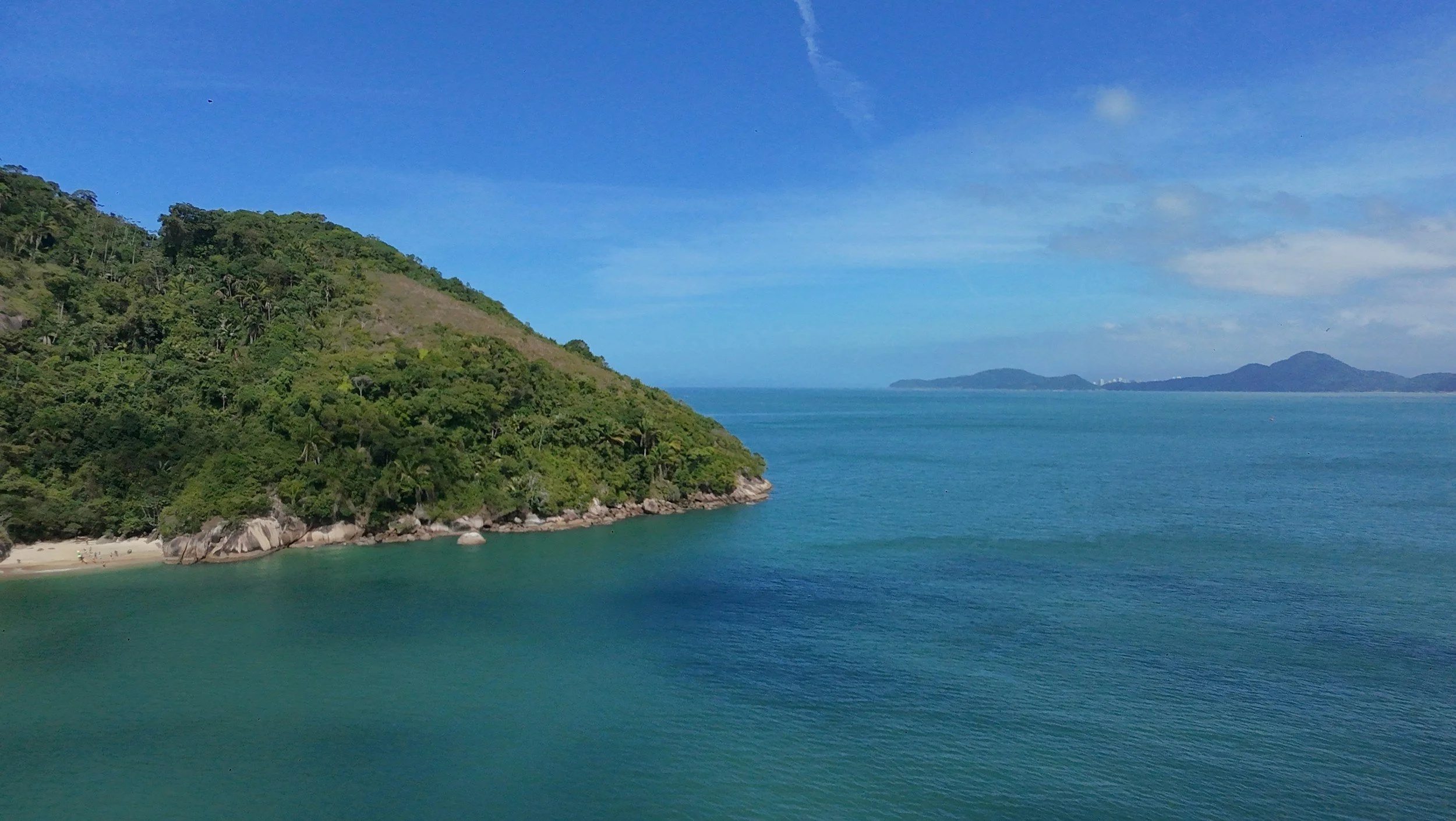
The Critical Ecology Lab proposes to establish the Critical Ecology Field Station (CEFS) at Ham’s Bluff in St. Croix, US Virgin Islands—an interdisciplinary research, education, and cultural stewardship center that treats history and ecology as inseparable parts of Caribbean life. By preserving and interpreting the built and oral histories of this land alongside its tropical ecosystems, the Field Station will become a globally connected hub for climate resilience, environmental justice, and cultural regeneration, rooted in the wisdom and priorities of Crucian people.
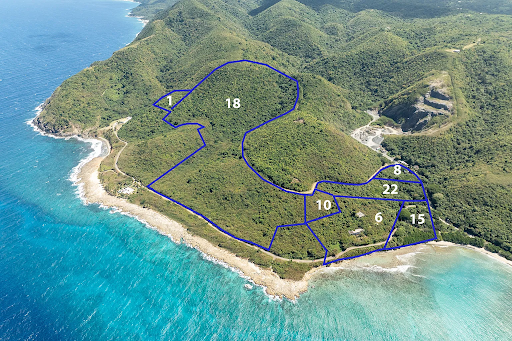
On the northwestern coast of St. Croix, a rare opportunity exists to steward the living legacy of an extraordinary place—Estate Ham’s Bluff. Once the site of a Danish colonial sugar plantation and later the beloved Clover Crest Hotel, this 56-acre coastal and forested property sits at the intersection of Crucian cultural memory and ecological richness. From the foundations of a still-standing 19th-century windmill to the stories of resistance carried by maroon communities who traversed this land, Ham’s Bluff is a site of historical inheritance, ecological importance, and intergenerational possibility.
We are seeking philanthropic partners to support the acquisition and development of this site into a globally recognized hub for cultural heritage preservation, community-centered ecological research, and humanities-informed environmental education. The CEFS will be the first Caribbean-based facility of its kind to fully integrate rigorous marine and terrestrial ecological monitoring with historical memory, place-based storytelling, and the living traditions of Crucian communities.

Investing Climate Justice Infrastructure
This station will serve multiple, intersecting functions:
Cultural Heritage Stewardship: Protect and interpret the remnants of plantation-era and 20th-century infrastructure (including the windmill, Clover Crest hotel foundations, and historical pathways), while curating oral histories and stories that deepen public understanding of Crucian life, labor, and resistance.
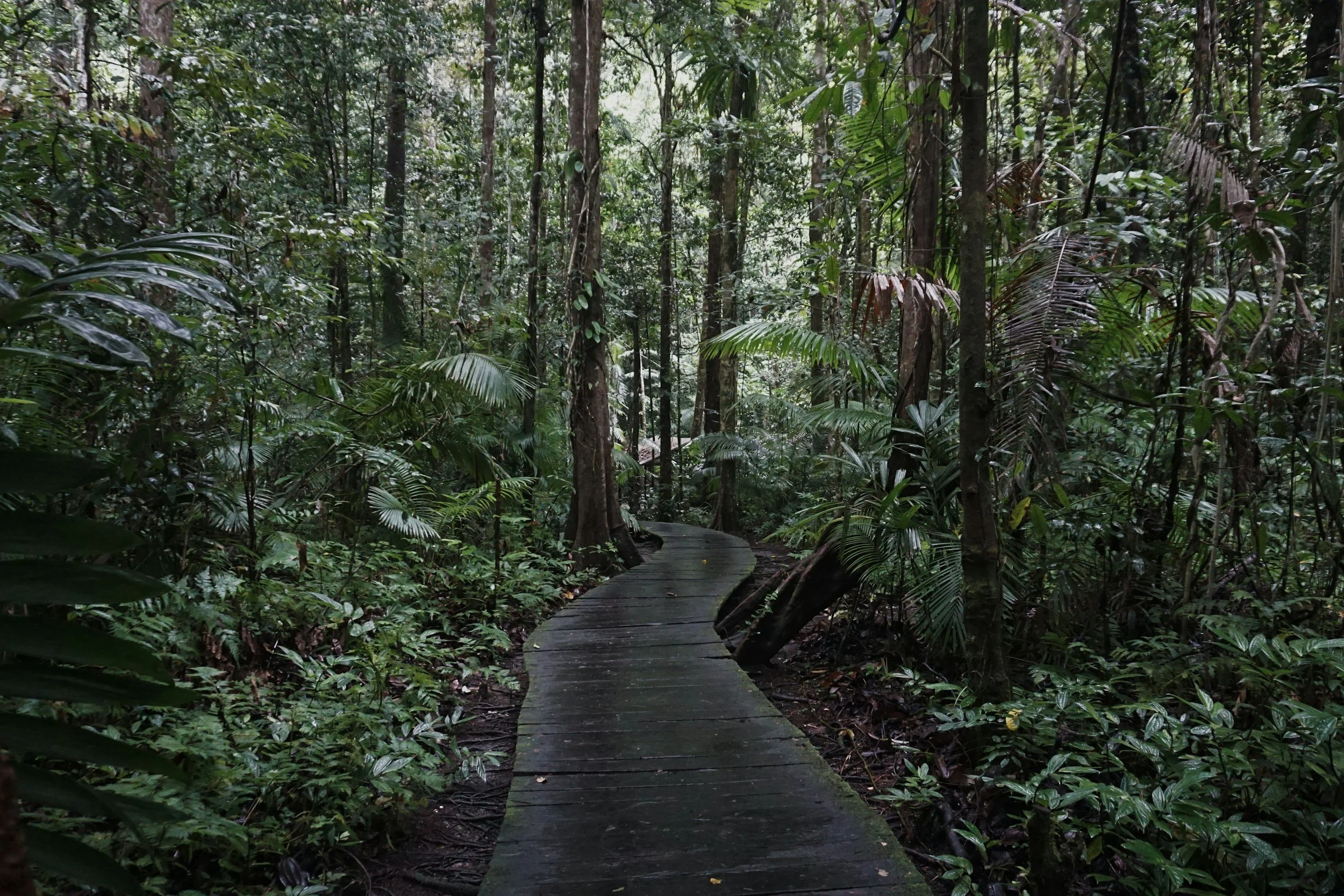
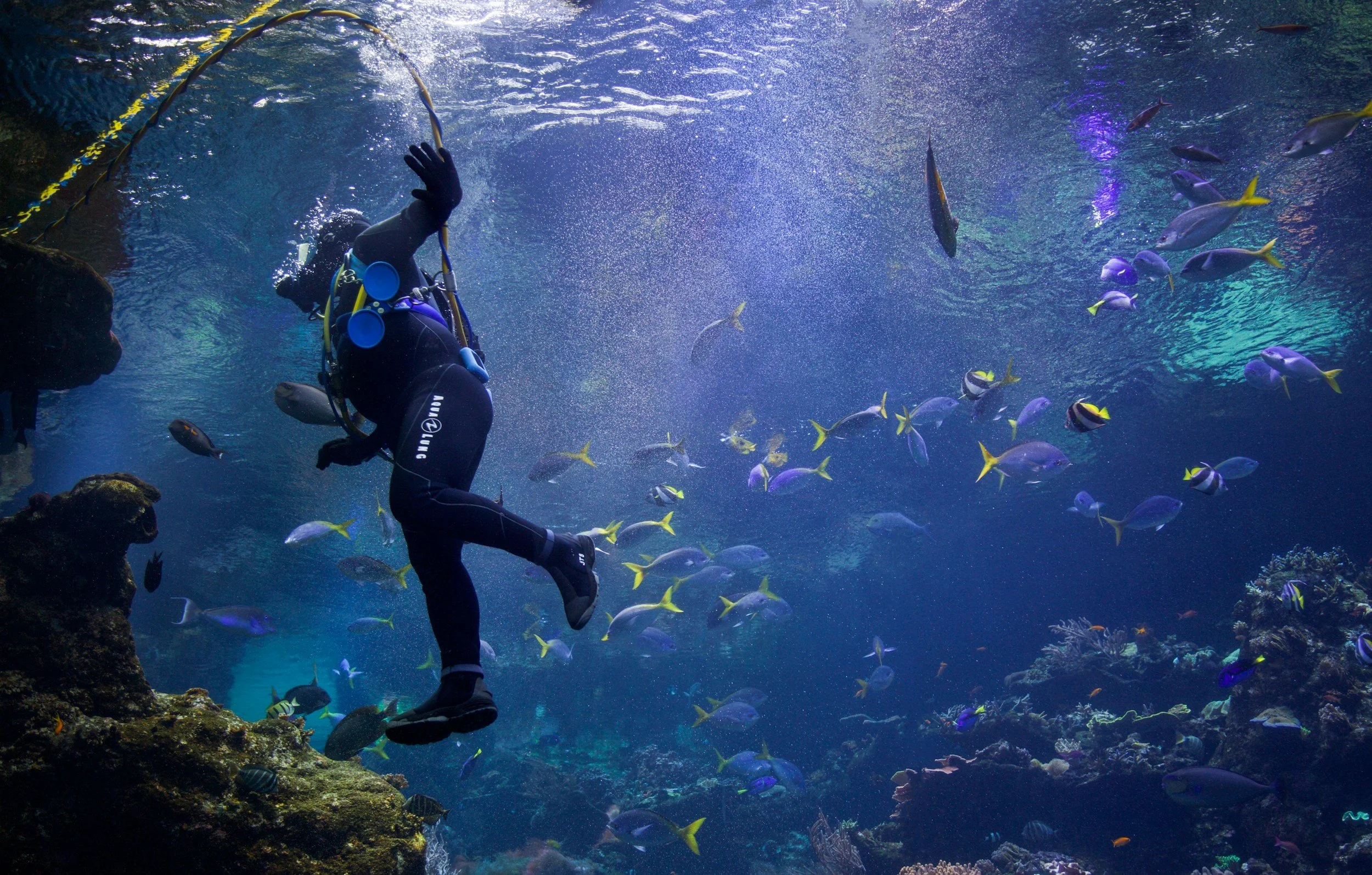
Ecological Research Infrastructure: Provide wet and dry laboratory facilities and lodging for scientists and students studying forest regeneration, coastal resilience, soil carbon cycling, biodiversity, and climate adaptation—especially in the context of legacies of land degradation and extractive economies.
Career Pathways and Local Engagement: Provide training and work opportunities for Crucian youth and adults in the fields of ecology, restoration, museum studies, and field station management—building capacity for environmental leadership rooted in place.
Public Programming and Arts: Support performances, exhibitions, and educational events that explore the deep connections between land, memory, and imagination, led by Caribbean artists and educators.
Frequently Asked Questions
-
The property is currently for sale and is at high risk of commercial development based on its zoning.
Moreover, the first territorial park (like a U.S. state park) in St. Croix was just established in 2025, and is directly adjacent to this property. This recent conservation victory affords the opportunity to extend the forested corridor that the territorial park established.
-
Since 2020, the Critical Ecology Lab has worked in St. Croix to investigate the ecological legacies of plantation slavery and advance climate justice rooted in the realities of the African diaspora. St. Croix’s layered ecological and cultural history—and its legacy as a refuge for radical Black thought—make it a vital site for this work. CEL collaborates directly with Crucian ecologist, ethnobotanists, and conservation hero Dr. Olasee Davis, whose leadership informs our approach to land use and cultural stewardship. We also work in partnership with the USVI Trail Alliance, the Trust for Virgin Islands Land, the Boys and Girls Club of St. Croix, CHANT (Crucian Heritage and Nature Tourism), and the U.S. Forest Service, including Dr. Rudy O’Reilly.
To avoid replicating colonial models of science, CEL ensures that all projects—and the future field station—are guided by Crucian thought leadership and designed with participation across generations. Our environmental research is inseparable from cultural heritage preservation and collective memory. St. Croix is not just a location, but a future hub for science, education, and environmental leadership throughout the Caribbean and African diaspora.
-
Climate and Biodiversity Impacts:
Annual CO2 sequestration
~167 metric tons CO₂ / year
🚘Removing ~40 cars from the road each year
10-year CO2 total sequestration
~1,670 metric tons CO₂
✈️Offsetting emissions from ~1,000 international flights
Biodiversity (Species/Area Ratio)
~ 5.3 species/ hectare
🦎Barro Colorado Island, Panama: ~0.8 species/hectare
-
Climate and Biodiversity Impacts:
Annual CO2 sequestration
~167 metric tons CO₂ / year
🚘Removing ~40 cars from the road each year
10-year CO2 total sequestration
~1,670 metric tons CO₂
✈️Offsetting emissions from ~1,000 international flights
Biodiversity (Species/Area Ratio)
~ 5.3 species/ hectare
🦎Barro Colorado Island, Panama: ~0.8 species/hectare
-
We offer a range of funding levels that allow donors and institutional partners to meaningfully contribute to the success of the Critical Ecology Field Station at Ham’s Bluff. Each level reflects a different depth of engagement, from early-phase support to long-term strategic partnership.
Financial Snapshot
Land Acquisition: $1.25M asking price + closing costs (~$1.3M total)
5-Year Stewardship: $440K
Infrastructure Development: $500K–$800K
Total Estimated Cap Ex Investment: $2.3M–$2.6M over 5 years
-
💵 Funding Levels Overview
These tiered levels reflect different depths of engagement, allowing a range of donors and institutions to meaningfully contribute to the success of the project—whether focused on cultural heritage, ecological science, or long-term stewardship.
Seed Supporter
$25,000 – $49,999
Supports early-phase due diligence (legal, permitting, environmental assessments), local stakeholder convenings, and community visioning workshops.
Infrastructure Ally
$50,000 – $99,999
Funds site planning, basic infrastructure (e.g. road repair, trails, utilities access), or covers 1 year of part-time coordination staff.
Research & Heritage Partner
$100,000 – $249,999
Supports modular research infrastructure (labs, housing, equipment), heritage interpretation planning, and local education programs.
Field Station Founding Sponsor
$250,000 – $499,999
Enables full phase-one activation: research facilities, community programming, and co-stewardship structures with local orgs. May receive naming rights.
Legacy Circle
$500,000+
Supports both land acquisition and multi-year programming, including fellowships for Caribbean scholars, international collaborations, and public storytelling, and sustainability stewardship. Receives prominent recognition across all platforms and advisory interaction.
3-Year Strategic Partner
$750K–$1.2M total
Enables land co-stewardship, ecological research, and heritage preservation as a unified program.
🧱 Add-on Contributions
Funders may also choose to support targeted aspects of the project:
Cultural Heritage Fellowship Fund – $75,000 annually
Ecological Monitoring Program – $50,000–$100,000 annually
Community Advisory Council Stipends – $15,000/year
Architectural and Landscape Design – $50,000–$120,000
Digital Infrastructure & Storytelling Platform – $30,000–$60,000
Local Job Training Pipeline (construction + fieldwork) – $40,000–$80,000
-
Phase 1: Interim Protection & Partnership Formation (0–6 months)
Collaborate with conservation orgs (e.g., Trust for Virgin Islands Land, The Nature Conservancy) to secure the land under permanent protection
Negotiate legal access and co-stewardship agreements
Form community-led advisory and planning committees
Phase 2: Stewardship & Site Planning (6–18 months)
Employ local caretakers and cultural stewards
Conduct ecological baseline studies and cultural mapping
Develop a site master plan with heritage experts, scientists, and Crucian advisors
Phase 3: Infrastructure Development (18–36 months)
Restore Clover Crest Hotel for housing, events, and historical interpretation
Construct modular research and education buildings
Build trails and signage to highlight cultural and ecological significance
Install renewable energy and water systems
Phase 4: Long-Term Co-Management & Programming (3–5+ years)
Establish co-management with a land trust
Build a stewardship endowment
Host regional field courses, summer residencies, cultural programming
-
The site of the historic Clover Crest Hotel, a space of mid-20th-century Black cultural and social life, listed in the 1956 African American Motorists Green Book. We now envision it as restored lodging for researchers, students, and cultural practitioners.
Remnants of the colonial-era windmill, part of the former Estate Ham’s Bluff sugar plantation economy and its violent legacies of enslavement and environmental extraction.
Proximity to Maroon Ridge Territorial Park, a recently designated public forest park, the largest public land on St. Croix. This is a landscape of resistance where enslaved Africans sought freedom—rooting this site in a legacy of liberation that remains vital to contemporary heritage and ecological narratives.